
male infertility

male infertility

Male Infertility Evaluation in Tambaram: What Every Man Should Know Before His Partner Starts IVF

Male Infertility Evaluation in Tambaram: What Every Man Should Know Before His Partner Starts IVF Home IVF May 26, 2026 Introduction When a couple decides to explore IVF, the conversation often centres entirely around the woman — her hormone levels, her cycle, her medical history. But fertility is a shared story, and male infertility evaluation Tambaram is just as essential a starting point as any test your partner will undergo. Research consistently shows that male factor infertility contributes to approximately 40 to 50 percent of all infertility cases among couples globally, and yet it remains one of the most underdiagnosed aspects of fertility care. For many men in Tambaram and across South Chennai, the idea of a fertility evaluation can feel unfamiliar or even uncomfortable. But understanding what the evaluation involves, why it matters, and how it can shape your treatment plan can make the entire process feel far less daunting. This article is written for every man whose partner is preparing for IVF — and for every couple who wants to walk into their fertility journey fully informed, together. Why Male Fertility Testing Matters Before IVF Begins It is a common misconception that IVF can work around any male fertility issue without prior evaluation. In reality, the quality, quantity, and health of sperm play a direct role in whether fertilization occurs, how well embryos develop, and ultimately, whether a pregnancy is achieved. Going into IVF without a thorough male fertility assessment means the treatment protocol may be incomplete from the very start. Identifying male factor issues early allows the medical team to select the most appropriate fertilization technique — whether standard IVF, ICSI (Intracytoplasmic Sperm Injection), or more specialized procedures — and to address any underlying conditions before the cycle begins. Early evaluation also saves couples significant time, emotional energy, and financial investment. What a Male Infertility Evaluation Involves A comprehensive male fertility assessment at a specialist clinic typically includes several layers of investigation. Here is what you can expect: 1. Semen Analysis — The Foundation of Male Fertility Testing Semen analysis is the cornerstone of any male fertility evaluation. It is a non-invasive, straightforward test that provides a detailed picture of sperm health. During a semen analysis in Tambaram or Chennai, your specialist will assess: Sperm count (concentration): The number of sperm present per millilitre of semen Motility: The percentage of sperm that are moving, and how well they move Morphology: The shape and structure of the sperm Volume: The total amount of semen produced pH and liquefaction time: Indicators of overall reproductive tract health A single semen analysis result does not always tell the complete story. Sperm parameters can vary from sample to sample based on factors such as recent illness, stress, or abstinence duration. Your doctor may recommend a repeat test two to three weeks later to confirm results before drawing conclusions. 2. Sperm DNA Fragmentation Test Standard semen analysis measures how sperm look and move, but it does not assess the genetic integrity of the sperm. DNA fragmentation testing evaluates the degree of damage within the sperm’s genetic material. High levels of DNA fragmentation have been linked to lower fertilization rates, poor embryo quality, early pregnancy loss, and failed IVF cycles. This test is particularly recommended for couples who have experienced unexplained infertility, recurrent miscarriage, or previously unsuccessful IVF attempts. 3. Hormonal Assessment for Men Male fertility is also regulated by hormones, and imbalances can significantly affect sperm production. Your doctor may check: FSH (Follicle Stimulating Hormone): Elevated FSH in men can indicate poor testicular function LH (Luteinizing Hormone): Helps regulate testosterone production Testosterone: Low testosterone can reduce sperm production and affect libido Prolactin: Elevated levels can disrupt hormone balance and sperm development Thyroid hormones: Thyroid dysfunction can affect male fertility as well 4. Scrotal and Transrectal Ultrasound Imaging studies help identify structural issues that may be affecting sperm production or delivery. A scrotal ultrasound can detect varicocele (enlarged veins in the scrotum, a common and treatable cause of low sperm count), testicular masses, or blockages. A transrectal ultrasound may be used to evaluate the prostate and seminal vesicles when ejaculatory duct obstruction is suspected. 5. Genetic Testing In cases of severely low or absent sperm count, genetic causes may be responsible. Your specialist may recommend: Karyotype analysis: To check for chromosomal abnormalities such as Klinefelter syndrome Y-chromosome microdeletion testing: To identify deletions on the Y chromosome that affect sperm production CFTR gene testing: Relevant when congenital absence of the vas deferens is suspected Understanding the genetic basis of male infertility is important not only for treatment planning but also for counseling couples about the potential for passing genetic conditions to future children. 6. Post-Ejaculatory Urinalysis In some cases, sperm may travel backward into the bladder during ejaculation rather than forward through the urethra — a condition called retrograde ejaculation. A urine sample collected after ejaculation can confirm this diagnosis, which is treatable and does not necessarily prevent conception with medical assistance. Common Causes of Male Infertility and How They Are Treated Understanding what may be affecting sperm health is the first step toward finding the right solution. Common causes identified during a male infertility evaluation include: Varicocele: Often treatable with surgery, leading to improved sperm parameters in many men Hormonal imbalances: Managed with targeted medication or hormone therapy Infection or inflammation: Treated with appropriate antibiotics or anti-inflammatory medication Lifestyle factors: Smoking, alcohol consumption, obesity, heat exposure, and chronic stress all have measurable effects on sperm quality and can be addressed with guided lifestyle modifications Obstructive causes: Blockages in the reproductive tract may be surgically corrected, or sperm may be retrieved directly using procedures such as PESA or TESA Unexplained low sperm count: When no specific cause is found, ICSI is often the most effective fertilization approach during IVF It is important to note that many causes of male infertility are treatable or manageable. A diagnosis is not a dead end — it is a direction. The Promise Fertility Centre Approach to Male Infertility

male infertility

Unexplained Infertility Treatment in Chennai: Diagnosis & Options

Unexplained Infertility Treatment in Chennai: Diagnosis & Options Home Fertility Preservation April 17, 2026 Introduction For many couples, the journey toward parenthood begins with hope—but when months or even years pass without answers, it can feel deeply confusing and emotionally overwhelming. If you’ve been told you have unexplained infertility Chennai, you’re not alone. This diagnosis is more common than many realize, affecting a significant number of couples trying to conceive. Unexplained infertility means that standard fertility tests show normal results, yet pregnancy doesn’t occur. This can feel frustrating because there’s no clear cause to address—but it also means that several treatment options are still available. In this guide, we’ll help you understand what unexplained infertility means, possible underlying factors, and the most effective treatment options available in Chennai. Most importantly, we’ll offer clarity and reassurance—because even without a clear diagnosis, many couples go on to build their families with the right support. What Is Unexplained Infertility? Unexplained infertility (also known as idiopathic infertility) is diagnosed when: Ovulation is normal Fallopian tubes are open Uterus appears healthy Semen analysis shows no major abnormalities Yet, conception does not occur after 12 months (or 6 months if the woman is over 35). In cases of idiopathic infertility Chennai, doctors rule out all identifiable causes, but subtle factors may still be involved—factors that standard tests cannot easily detect. What Causes Unexplained Infertility? Even when test results appear normal, several hidden factors may contribute. If you’re wondering what causes unexplained infertility Chennai, here are some possibilities: 1. Egg Quality Issues Even with regular ovulation, egg quality may decline with age or due to subtle hormonal imbalances. 2. Sperm Function Problems Basic semen analysis may appear normal, but issues like: DNA fragmentation Poor motility at a microscopic level can affect fertilization. 3. Implantation Challenges The embryo may form but fail to implant properly due to: Endometrial receptivity issues Immune responses 4. Timing and Interaction Issues Even small mismatches in timing between ovulation and sperm availability can reduce chances. 5. Lifestyle Factors Urban lifestyles in Chennai—stress, long work hours, delayed parenthood, and environmental exposure—may also play a role. How Is Unexplained Infertility Diagnosed? Diagnosis is essentially a process of elimination. A fertility specialist unexplained Chennai typically recommends: Hormonal blood tests Ovulation tracking Ultrasound scans Hysterosalpingography (HSG) to check fallopian tubes Semen analysis If all results are within normal limits, unexplained infertility is diagnosed. While this may feel uncertain, it actually opens doors to multiple treatment pathways that can improve the chances of conception. Treatment Options for Unexplained Infertility in Chennai The good news is that several evidence-based treatments are available. The right option depends on age, duration of infertility, and overall health. 1. Expectant Management (Natural Approach) For younger couples with a shorter duration of infertility: Timed intercourse Ovulation monitoring Lifestyle optimization Doctors may suggest trying naturally for a few more months. 2. Ovulation Induction with Timed Intercourse Even if ovulation is normal, mild stimulation can: Improve egg quality Increase chances of fertilization This is often one of the first steps in treatment for unexplained infertility in Chennai. 3. Intrauterine Insemination (IUI) IUI involves placing processed sperm directly into the uterus during ovulation. Benefits: Increases sperm concentration near the egg Improves timing accuracy Less invasive and cost-effective IUI is often recommended for 3–6 cycles before moving to advanced treatments. 4. In Vitro Fertilization (IVF) Unexplained infertility IVF is one of the most effective solutions, especially when other methods are unsuccessful. IVF involves: Stimulating the ovaries Retrieving eggs Fertilizing them in a lab Transferring embryos into the uterus Advantages: Higher success rates compared to other treatments Ability to observe fertilization Option for advanced techniques like ICSI if needed Success depends on multiple factors such as age, egg quality, and overall reproductive health. While IVF improves the chances significantly, it’s important to understand that outcomes can vary. 5. Advanced Techniques (If Needed) Depending on individual cases, specialists may recommend: ICSI (Intracytoplasmic Sperm Injection) Embryo freezing Endometrial receptivity testing These approaches help address subtle, otherwise undetectable issues. What Affects Success Rates? Success in treating unexplained infertility depends on: Age of the female partner Duration of infertility Lifestyle factors (diet, stress, sleep) Response to treatment Underlying undetected biological factors It’s important to approach treatment with realistic expectations. While many couples achieve pregnancy, timelines and outcomes differ for each individual. Emotional Impact and Support Unexplained infertility can feel especially challenging because there is no clear reason. Many couples experience: Frustration Anxiety Emotional fatigue Seeking support—whether through counseling, support groups, or open communication with your partner—can make a meaningful difference. Fertility care today increasingly recognizes the importance of emotional well-being alongside medical treatment. Promise Fertility Center’s Approach At Promise Fertility Center in Tambaram, Chennai, care is designed to address both the medical and emotional aspects of fertility challenges. Comprehensive Evaluation Every couple undergoes a detailed assessment to ensure no underlying factors are missed. Personalized Treatment Plans Rather than a one-size-fits-all approach, treatment is tailored based on: Age Medical history Previous treatment outcomes Advanced Fertility Treatments The center offers: Ovulation induction IUI and IVF ICSI and advanced reproductive techniques Experienced Fertility Specialists The medical team brings expertise in managing complex cases, including unexplained infertility, using evidence-based protocols aligned with international standards. Emotional Support & Counseling Understanding the emotional weight of infertility, the center provides compassionate guidance at every stage. Convenient Location Located in Tambaram, the clinic is easily accessible from: Chromepet Pallavaram GST Road South Chennai areas This ensures convenience for regular visits and monitoring. When Should You See a Fertility Specialist? Consider consulting a specialist if: You’ve been trying for 12 months (or 6 months if over 35) You’ve received an unexplained infertility diagnosis Previous treatments haven’t worked What to Bring for Your First Visit: Previous medical reports Scan results Hormonal test records Semen analysis reports Early consultation can help you explore the right options without unnecessary delays. Conclusion & Next Steps Unexplained infertility can feel like an uncertain path—but it does not mean there are no solutions. With advances in reproductive

male infertility

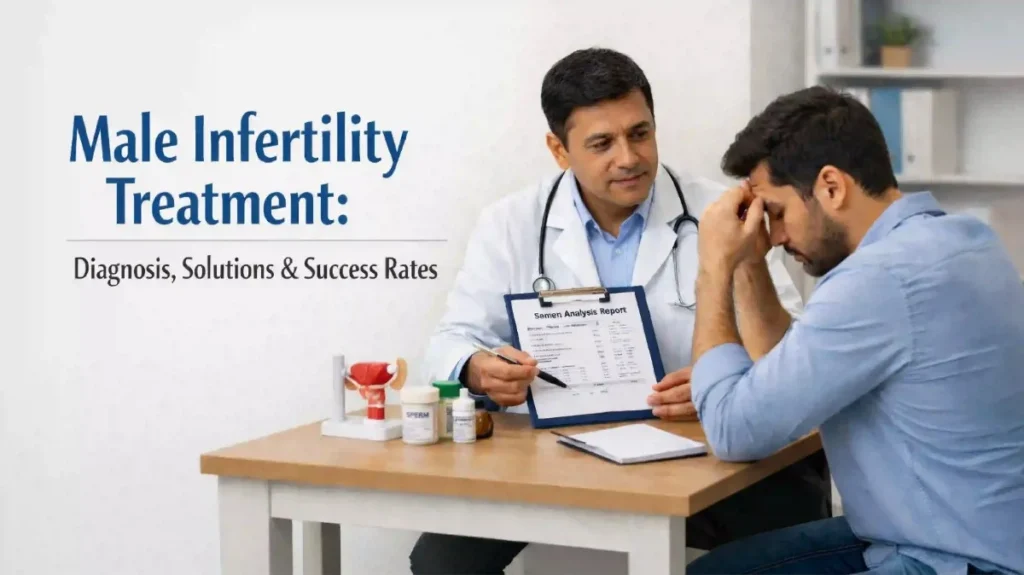
Male Infertility Treatment in Chennai: Diagnosis, Solutions & Success Rates

Male Infertility Treatment in Chennai: Diagnosis, Solutions & Success Rates Home male infertility February 20, 2026 Introduction For many couples, the journey to parenthood is not always straightforward. When pregnancy does not happen naturally after months of trying, it can bring feelings of confusion, worry, and emotional exhaustion. What many people do not realize is that male infertility contributes to nearly half of all infertility cases worldwide. If you are looking for male infertility treatment in Chennai, understanding your options is the first and most empowering step you can take. At Promise Fertility Center in Tambaram, Chennai, our goal is to provide you with honest answers, advanced medical care, and the compassionate support you deserve throughout this journey. This article walks you through the causes of male infertility, how it is diagnosed, what treatment options are available, and what you can realistically expect when you seek help. Understanding Male Infertility Male infertility refers to a man’s reduced ability to cause pregnancy in a fertile female partner. It is more common than most people think, and it is nothing to be ashamed of. The condition is usually identified through a semen analysis, which looks at sperm count, sperm movement (motility), and sperm shape (morphology). When one or more of these factors fall below normal ranges, conception becomes difficult without medical assistance. Male infertility is rarely caused by a single factor. It typically results from a combination of medical, hormonal, lifestyle, or genetic influences. Recognizing the underlying cause is essential before any treatment plan is recommended. Common Causes of Male Infertility Several conditions can affect male reproductive health. Azoospermia, which means the complete absence of sperm in semen, is one of the more serious diagnoses. Low sperm count, medically called oligospermia, and poor sperm motility are among the most frequently encountered issues. Varicocele, a swelling of the veins in the scrotum, is another common and treatable cause that affects sperm production and quality. Hormonal imbalances involving testosterone and other reproductive hormones can also play a significant role. Infections, blockages in the reproductive tract, genetic conditions such as Klinefelter syndrome, and lifestyle factors including smoking, alcohol use, obesity, and prolonged heat exposure to the testicular area all contribute to reduced male fertility. In some cases, no clear cause is identified, which is referred to as unexplained male infertility. How Male Infertility Is Diagnosed Accurate diagnosis is the foundation of effective treatment. At Promise Fertility Center, the diagnostic process begins with a thorough consultation that covers your medical history, lifestyle habits, and any previous fertility investigations. This is followed by a comprehensive semen analysis performed in our accredited laboratory. Depending on initial findings, additional tests may be recommended. These can include hormonal blood tests to assess levels of FSH, LH, testosterone, and prolactin, as well as scrotal ultrasound imaging to detect varicoceles or structural abnormalities. In cases where azoospermia is suspected, a testicular biopsy or genetic testing may be advised. Each test helps build a complete picture of your reproductive health so that treatment can be tailored specifically to your situation. Treatment Options for Male Infertility The good news is that many causes of male infertility are treatable or manageable with the right medical support. The appropriate treatment depends entirely on the underlying diagnosis. For men with hormonal imbalances, medication to regulate hormone levels can significantly improve sperm production over time. Varicocele repair through a minor surgical procedure often leads to notable improvements in sperm count and motility. Infections affecting the reproductive tract are treated with antibiotics before further fertility assessments are made. For men with low sperm count treatment in Chennai is often approached through assisted reproductive techniques. Intrauterine Insemination, or IUI, involves placing prepared sperm directly into the uterus during the woman’s fertile window. This is a less invasive option suitable for mild to moderate male factor infertility. When sperm count or motility is severely affected, Intracytoplasmic Sperm Injection, known as ICSI, is often the most effective solution. In ICSI, a single healthy sperm is injected directly into a mature egg in the laboratory. This technique is particularly beneficial when conventional IVF has not been successful or when sperm parameters are very poor. For men diagnosed with azoospermia, azoospermia treatment in Chennai has advanced considerably. Sperm retrieval procedures such as TESA (Testicular Sperm Aspiration) or PESA (Percutaneous Epididymal Sperm Aspiration) allow doctors to retrieve sperm directly from the testis or epididymis. The retrieved sperm is then used in conjunction with ICSI to achieve fertilization. These procedures offer hope even to men who produce no sperm in their ejaculate. Lifestyle modifications also play a meaningful supporting role. Maintaining a healthy weight, quitting smoking, reducing alcohol intake, managing stress, and avoiding prolonged heat exposure to the groin area can all contribute positively to sperm health over a period of several months. Promise Fertility Center’s Approach to Male Infertility At Promise Fertility Center in Tambaram, Chennai, we understand that seeking help for male infertility requires courage. Our team of experienced fertility specialists, including dedicated male fertility specialists in Chennai, takes a thorough, individualized approach to every patient. We do not believe in a one-size-fits-all model of care. Our center is equipped with a modern andrology laboratory capable of advanced semen analysis, sperm freezing, and sperm preparation for assisted conception procedures. Our embryology team works alongside our clinical specialists to ensure that every step of your treatment is conducted with precision and care. We also recognize that infertility is not just a physical challenge. It affects relationships, self-esteem, and emotional wellbeing. That is why we offer counseling support as part of our patient care. You and your partner will never feel alone in this process. Our team communicates openly, explains each step clearly, and respects your right to make informed decisions at every stage. Promise Fertility Center is conveniently located in Tambaram and is easily accessible for patients traveling from nearby areas including Chromepet, Pallavaram, Guduvanchery, and along the GST Road corridor in South Chennai. We are committed to making quality fertility care accessible to

male infertility

Advanced male infertility treatment in Tambaram

Advanced male infertility treatment in Tambaram Home male infertility January 29, 2026 Introduction Infertility is often perceived as primarily a women’s health issue, but male factors contribute to approximately 40-50% of all cases where couples struggle to conceive. If you’ve been facing challenges starting or expanding your family, understanding male infertility treatment Tambaram options available at Promise Fertility Center can be an important step toward finding solutions. We recognize that seeking help for fertility concerns requires courage, especially given the cultural sensitivities and emotional weight that often accompany male infertility. Male fertility issues range from low sperm counts and poor sperm quality to complete absence of sperm in the ejaculate. The encouraging news is that modern reproductive medicine offers multiple advanced treatment options that can help men overcome these challenges. At our center in Tambaram, we provide comprehensive evaluation, accurate diagnosis, and personalized treatment protocols designed to address the specific factors affecting your fertility. This article explores common causes of male infertility, available diagnostic approaches, and the range of treatment solutions that can help you and your partner achieve your family-building goals with dignity, privacy, and expert medical support. Understanding Male Infertility: Beyond the Basics Male infertility encompasses any condition that reduces the likelihood of a man’s female partner becoming pregnant. Fertility depends on multiple factors working in harmony: adequate sperm production in the testicles, proper sperm maturation, successful sperm transport through the reproductive tract, and the ability of sperm to reach and fertilize an egg. When any of these processes are disrupted, fertility can be compromised. Some men produce insufficient numbers of sperm (oligospermia), while others have complete absence of sperm in their ejaculate (azoospermia). Sperm quality issues—including poor motility (movement), abnormal morphology (shape), or DNA fragmentation—can also prevent conception even when sperm counts are normal. Common Causes of Male Fertility Challenges Understanding what contributes to male infertility helps guide appropriate treatment selection. Varicocele is one of the most common reversible causes of male infertility. This condition involves enlarged veins within the scrotum that can impair sperm production and quality by raising testicular temperature and affecting blood flow. Many men with varicoceles experience no symptoms, making fertility evaluation the first time they become aware of the condition. Hormonal imbalances affecting testosterone, follicle-stimulating hormone (FSH), or luteinizing hormone (LH) can disrupt sperm production. These imbalances may result from pituitary problems, thyroid disorders, or other endocrine issues. Genetic factors play a role in some cases. Chromosomal abnormalities, Y chromosome microdeletions, or specific genetic mutations can affect sperm production or function. Understanding genetic factors becomes particularly important when considering assisted reproductive technologies. Lifestyle and environmental factors significantly impact male fertility. Smoking, excessive alcohol consumption, obesity, prolonged heat exposure (from hot tubs, saunas, or occupational sources), and certain medications can all reduce sperm count and quality. Environmental toxins and occupational exposures to chemicals or radiation may also contribute. Infections and inflammation of the reproductive tract, including sexually transmitted infections or epididymitis, can temporarily or permanently affect fertility. Previous infections may cause scarring that blocks sperm transport. Obstructive issues prevent sperm from being ejaculated even when production is normal. These may result from previous infections, injuries, surgical complications, or congenital absence of the vas deferens. Comprehensive Male Fertility Evaluation Accurate diagnosis forms the foundation for effective low sperm count treatment Chennai and other male fertility interventions. Semen Analysis represents the cornerstone of male fertility evaluation. This test examines multiple sperm parameters including count (concentration), motility (percentage of moving sperm and quality of movement), morphology (percentage of normally shaped sperm), and volume. At Promise Fertility Center, we use computer-assisted semen analysis (CASA) technology for precise, objective measurements. Because sperm parameters can vary significantly, we may recommend repeat testing to establish accurate baseline values. Hormone Testing evaluates testosterone, FSH, LH, prolactin, and sometimes thyroid hormones to identify endocrine factors affecting fertility. Hormone profiles help determine whether fertility issues stem from testicular problems or dysfunction in the pituitary gland that regulates sperm production. Physical Examination allows your physician to identify varicoceles, check for normal testicular size and consistency, and assess for any anatomical abnormalities affecting fertility. Advanced Diagnostics may include genetic testing when specific inherited conditions are suspected, scrotal ultrasound to visualize varicoceles or other structural issues, and specialized sperm function tests that assess DNA fragmentation or the sperm’s ability to penetrate eggs. Treatment Approaches for Male Infertility Treatment strategies depend on the underlying cause, severity of fertility impairment, female partner’s fertility status, and couple’s preferences. Medical and Hormonal Treatments When hormonal imbalances contribute to low sperm production, targeted medical therapy can be effective. Hormone replacement or medications that stimulate the body’s natural hormone production may improve sperm parameters over several months of treatment. For men with infections or inflammation, appropriate antibiotic therapy can resolve the underlying issue and potentially restore fertility. Treatment of underlying medical conditions like diabetes or thyroid disorders may also improve reproductive function. Surgical Interventions Varicocele Repair through microsurgical techniques can improve sperm parameters in many men. The procedure involves tying off enlarged veins to restore normal blood flow and testicular temperature. While not every man with varicocele requires surgery, those with significant fertility impairment often benefit from this intervention. Vasectomy Reversal (vasovasostomy) reconnects the vas deferens in men who previously had vasectomies. Success rates depend on the time elapsed since vasectomy and the surgical technique used. Treatment of Obstructions through microsurgery can restore sperm flow when blockages prevent sperm from reaching the ejaculate. Sperm Retrieval Techniques When sperm cannot be obtained through ejaculation—whether due to obstructive azoospermia, ejaculatory dysfunction, or prior vasectomy—surgical sperm retrieval procedures become necessary for azoospermia treatment. TESA (Testicular Sperm Aspiration) involves using a fine needle to extract sperm directly from the testicle. This minimally invasive procedure is performed under local anesthesia and can often be completed in an outpatient setting. PESA (Percutaneous Epididymal Sperm Aspiration) retrieves sperm from the epididymis, the tube where sperm mature and are stored. TESA PESA Chennai procedures at specialized centers like Promise Fertility Center are performed by experienced urologists or reproductive specialists

Scroll to Top