First IVF Cycle: What to Expect at Promise Fertility Center Tambaram
- IVF
- January 3, 2026
Introduction
Starting your first IVF treatment cycle Chennai represents a significant milestone in your fertility journey—one filled with hope, anticipation, and understandably, anxiety about the unknown. After months or perhaps years of trying to conceive naturally, undergoing fertility testing, and possibly attempting other treatments, the decision to pursue IVF reflects both courage and commitment to building your family. It’s completely normal to feel a mixture of excitement and apprehension as you embark on this path. You likely have countless questions: What exactly happens during each phase? How will the medications affect you? What does egg retrieval actually feel like? How long does the entire process take? Will you be able to work during treatment? At Promise Fertility Center in Tambaram, we understand that knowledge reduces anxiety, which is why we believe in thoroughly preparing first-time IVF patients for every aspect of their journey. This comprehensive guide walks you through each phase of your first IVF cycle—from initial preparation through pregnancy testing—providing realistic expectations, practical tips, and reassurance that you’re not alone in this experience. Understanding what lies ahead helps you feel more confident, prepared, and empowered as you take this important step toward parenthood.
In vitro fertilization (IVF) is an assisted reproductive technology where eggs are retrieved from ovaries, fertilized with sperm in a laboratory, and resulting embryos are transferred to the uterus. This process bypasses many natural conception barriers, making pregnancy possible even when other approaches haven’t succeeded.
IVF was originally developed for women with blocked fallopian tubes but has evolved to effectively address male factor infertility, unexplained infertility, endometriosis, ovulation disorders, age-related fertility decline, and numerous other conditions affecting conception.
The procedure has become increasingly refined and successful since the first IVF baby was born in 1978, with modern techniques, advanced laboratory technology, and personalized protocols significantly improving outcomes.
Before You Begin: The Preparation Phase
Your IVF journey actually starts before the treatment cycle itself with important preparatory steps:
Comprehensive Fertility Evaluation
If not already completed, you’ll undergo thorough testing including hormone level assessments (FSH, AMH, estradiol, TSH), antral follicle count via ultrasound, semen analysis for male partner, uterine cavity evaluation (hysteroscopy or sonohysterogram), and infectious disease screening for both partners.
These assessments provide your fertility specialist with essential information to customize your treatment protocol for optimal results.
Treatment Planning Consultation
During this detailed appointment, your doctor reviews all test results, explains your specific diagnosis and how it affects fertility, discusses your individualized IVF protocol and medication plan, sets realistic expectations about success probabilities based on your circumstances, and addresses all your questions and concerns.
This is your opportunity to fully understand the treatment ahead and feel confident in your care team.
Medication Training and Preparation
IVF requires self-administered hormone injections, which initially seems daunting but becomes routine quickly. Your nursing team provides hands-on training, demonstrating proper injection techniques, reviewing medication schedules and storage requirements, and ensuring you feel completely comfortable before starting.
You’ll also receive practical guidance on organizing medications, setting reminder systems, and managing your schedule around treatment requirements.
Lifestyle Optimization
The weeks before starting IVF offer an opportunity to optimize your health through maintaining healthy body weight when possible, eating a nutrient-rich balanced diet, taking prenatal vitamins with folate, engaging in moderate exercise while avoiding extremes, getting adequate sleep, limiting alcohol and eliminating tobacco, and managing stress through relaxation techniques, counseling, or support groups.
While perfection isn’t required, these healthy habits support your body through the treatment process.
Phase 1: Ovarian Stimulation (Days 1-14)
The first active phase of your IVF process Chennai involves stimulating your ovaries to develop multiple eggs in a single cycle, rather than the single egg that typically matures naturally each month.
Starting Stimulation Medications
Your cycle begins on Day 1 of your menstrual period. After a baseline ultrasound and bloodwork confirm you’re ready to start, you’ll begin daily hormone injections (gonadotropins) that stimulate follicle development. These medications typically include FSH (follicle-stimulating hormone) and sometimes LH (luteinizing hormone).
Most women continue their normal daily activities during stimulation, though you may experience bloating, breast tenderness, mood fluctuations, or fatigue as your ovaries respond to medications.
Monitoring Appointments
Every 2-3 days throughout stimulation, you’ll return to the clinic for monitoring appointments involving transvaginal ultrasounds to measure follicle growth and blood tests to check hormone levels (primarily estradiol).
These frequent visits allow your doctor to track your response and adjust medication dosages for optimal follicle development—not too few, not excessive, but the right number of quality eggs.
Adding Suppression Medications
Midway through stimulation, you’ll typically add a medication (GnRH antagonist or agonist depending on your protocol) that prevents premature ovulation before egg retrieval is scheduled.
The Trigger Shot
When monitoring shows your follicles have reached appropriate size (typically 16-20mm in diameter), you’ll receive precise instructions for a “trigger shot” (hCG or GnRH agonist) that causes final egg maturation. Timing this injection is critical—it must be administered exactly 34-36 hours before your scheduled egg retrieval.
The stimulation phase typically lasts 10-14 days, varying based on individual response.
Phase 2: Egg Retrieval (Day 14-15)
Egg retrieval is a minor surgical procedure performed under sedation or light anesthesia, so you’ll be comfortable and won’t remember the procedure itself.
What Happens During Retrieval
Using transvaginal ultrasound guidance, your doctor passes a thin needle through the vaginal wall to access each ovary. Follicular fluid containing eggs is gently aspirated from each mature follicle—a process taking approximately 20-30 minutes.
You won’t feel the procedure due to sedation, though you may experience cramping similar to menstrual discomfort for a day or two afterward.
Recovery and Going Home
After 1-2 hours in recovery, you’ll go home the same day. Someone must accompany you and drive you home due to sedation effects. Most women rest for the remainder of the day and return to normal activities the next day, though you should avoid strenuous exercise for about a week.
Fertilization Process
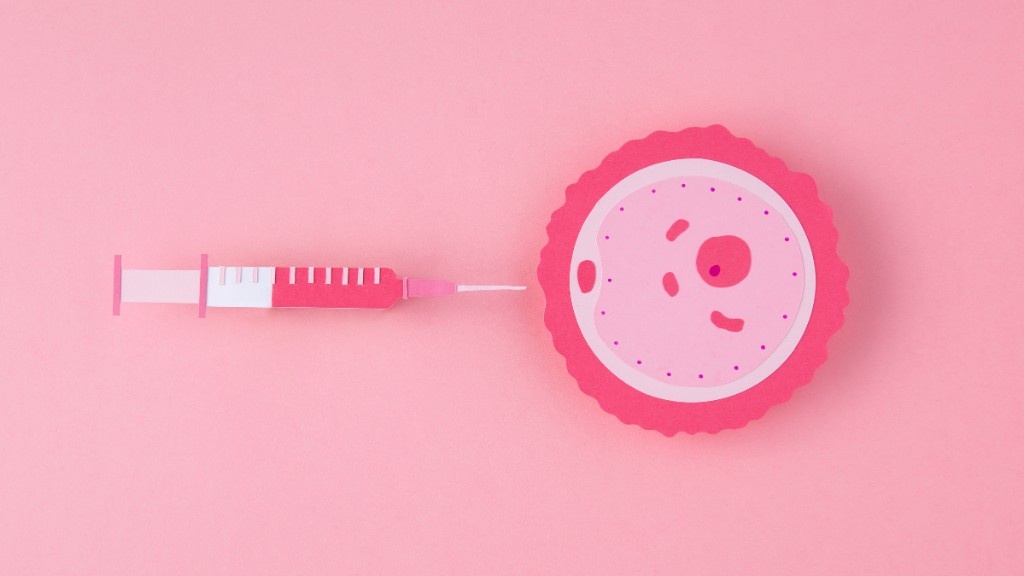
While you’re recovering at home, your eggs are being prepared in the laboratory. The embryology team assesses egg maturity—only mature eggs can be fertilized. Your partner provides a fresh semen sample (or previously frozen sperm is thawed), which is prepared and either mixed with eggs (conventional IVF) or individually injected into each mature egg (ICSI).
You’ll receive a call later that day or the next morning informing you how many eggs were retrieved and how many were mature enough for fertilization.
Phase 3: Embryo Development (Days 1-6)
Once fertilization occurs, the waiting period begins as embryos develop in the laboratory under carefully controlled conditions.
The Fertilization Report
The day after retrieval, you’ll learn how many eggs successfully fertilized. Not every mature egg fertilizes—typical fertilization rates are 60-80% of mature eggs, varying based on egg and sperm quality.
Daily Development
Embryos are cultured for typically 5-6 days to reach blastocyst stage, though some protocols transfer earlier at day 3. Your embryology team monitors development daily, though they may not provide updates between fertilization and transfer day to avoid causing unnecessary anxiety over normal developmental variations.
The Emotional Waiting Period
This phase can feel particularly challenging as you wait without much control or information. Understanding that embryo development is a natural selection process helps manage expectations—it’s normal for some embryos to stop developing, and this is actually the laboratory revealing which embryos had the best potential all along.
Phase 4: Embryo Transfer (Day 5-6)
Transfer day represents the culmination of your IVF cycle—the moment when embryo(s) are placed in your uterus where they hopefully implant and begin pregnancy.
Pre-Transfer Preparation
You’ll arrive with a comfortably full bladder (ultrasound guidance requires this). Your embryologist will provide an update on embryo development and which embryo(s) will be transferred based on quality assessment.
The Transfer Procedure
Transfer is quick, simple, and typically painless—similar to a pap smear. Using ultrasound guidance, a thin catheter containing your embryo(s) is gently passed through the cervix and the embryo is deposited at the optimal uterine location.
The entire procedure takes about 5-10 minutes, requires no anesthesia, and you’ll rest briefly before going home.
Fresh vs. Frozen Transfer Decisions
Sometimes doctors recommend freezing all embryos (freeze-all cycle) and transferring in a subsequent frozen embryo transfer (FET) cycle. This decision is based on factors like ovarian hyperstimulation risk, elevated progesterone levels, or allowing the uterus to recover from stimulation for optimal receptivity.
Both fresh and frozen transfers can be highly successful—frozen transfers often achieve equal or better success rates because the uterine environment is optimally prepared without stimulation effects.
Post-Transfer Guidelines
After transfer, you’ll continue progesterone supplementation to support potential implantation and early pregnancy. You can resume most normal activities immediately, though you should avoid strenuous exercise, heavy lifting, hot baths, and sexual intercourse until pregnancy testing.
There’s no evidence that bed rest improves outcomes—normal gentle activity is actually encouraged.
Phase 5: The Two-Week Wait
The period between transfer and pregnancy testing—typically 10-14 days—is emotionally intense as you wait to learn whether the cycle succeeded.
Physical Symptoms (or Lack Thereof)
Some women obsessively analyze every twinge, sensation, or symptom as potential early pregnancy signs. However, progesterone supplementation causes symptoms similar to early pregnancy, making it impossible to know whether you’re pregnant based on symptoms alone.
Similarly, absence of symptoms doesn’t indicate failure—many successful pregnancies produce no early symptoms.
Emotional Management
This waiting period tests patience and emotional resilience. Strategies that help include staying busy with work, hobbies, and social connections, limiting internet searching and symptom analysis, connecting with supportive friends or fertility support groups, practicing stress reduction techniques, and maintaining hope while preparing emotionally for either outcome.
Pregnancy Testing
A blood test measuring hCG (pregnancy hormone) is performed approximately 10-14 days after transfer. This beta-hCG test definitively determines whether pregnancy has been achieved.
Resist the temptation to test early with home pregnancy tests—false negatives and confusing faint positives create unnecessary emotional turmoil.
Understanding Success Rates and Outcomes
Setting realistic expectations helps prepare emotionally for whatever outcome occurs.
First Cycle Success: While success rates vary significantly based on age, diagnosis, and individual factors, overall IVF success rates per cycle are typically 30-50% for live birth, with younger women generally achieving higher success rates than older women.
Multiple Cycles May Be Needed: Many couples require 2-3 IVF cycles to achieve pregnancy. This doesn’t mean failure—it means perseverance and sometimes protocol adjustments lead to eventual success.
Individual Factors Matter: Your specific age, diagnosis, ovarian reserve, sperm quality, and overall health significantly influence your personal success probability.
Your doctor provides personalized success rate estimates during consultation based on your specific circumstances.
Promise Fertility Center's First IVF Cycle Support
At Promise Fertility Center in Tambaram, we recognize that your first IVF journey Tambaram represents not just a medical procedure but an emotionally profound experience requiring both technical excellence and compassionate support.
Personalized Treatment Protocols: We customize every IVF protocol based on your unique fertility diagnosis, hormone levels, ovarian reserve, previous treatment responses, and overall health rather than using standardized one-size-fits-all approaches.
Expert Medical and Embryology Teams: Our reproductive specialists and embryologists bring extensive experience with diverse fertility conditions, advanced laboratory techniques, and commitment to optimizing every aspect of your treatment for best possible outcomes.
State-of-the-Art Laboratory: Our advanced embryology laboratory features the latest incubation technology, maintaining optimal temperature, gas concentrations, and environmental conditions that maximize embryo development potential.
Comprehensive Patient Education: We believe informed patients experience less anxiety and better outcomes. Your nursing team provides thorough injection training, detailed timeline explanations, and answers to every question throughout your cycle.
Intensive Monitoring and Communication: Frequent monitoring appointments allow us to optimize your medication protocol in real-time while keeping you informed about your progress at every stage.
Emotional Support Services: Understanding the psychological stress of IVF, we provide counseling support, educational resources, and compassionate communication that honors both the medical and emotional aspects of your journey.
Flexible Scheduling: Located conveniently in Tambaram with easy access from GST Road, Chromepet, Pallavaram, Velachery, and throughout South Chennai, we offer early morning and evening monitoring appointments that accommodate work schedules and minimize disruption to your daily life.
Transparent Communication: We provide honest, realistic expectations about outcomes, never making false promises while maintaining appropriate hope and optimism about your possibilities.
Practical Tips for Your First IVF Cycle
Based on thousands of patients’ experiences, these practical strategies help your first cycle go more smoothly:
- Organize medications with labeled bins or bags for each day
- Set phone alarms for injection times and appointments
- Keep a treatment calendar tracking medications and appointments
- Prepare easy, healthy meals in advance for busy treatment days
- Arrange backup plans for monitoring appointments if work conflicts arise
- Communicate your needs with your partner, family, or support system
- Give yourself permission to prioritize self-care during this time
- Limit sharing details with too many people who will constantly ask for updates
- Stay off fertility forums if they increase anxiety rather than providing support
- Trust your medical team and reach out with any concerns
When to Seek Your First IVF Consultation
Consider scheduling an IVF consultation if you’ve been trying to conceive for 12 months without success (6 months if you’re over 35), you’ve completed multiple IUI cycles without pregnancy, you have diagnosed fertility conditions (blocked tubes, severe endometriosis, male factor infertility), you have diminished ovarian reserve, or you want to understand all available fertility treatment options.
What to Bring to Your Consultation:
- Complete fertility testing results and treatment history
- Medical records relevant to fertility or reproductive health
- List of current medications and supplements
- Questions about IVF process, costs, and success rates
- Your partner for shared decision-making and support
Conclusion: Beginning Your IVF Journey with Confidence
Your first IVF treatment cycle Chennai represents a powerful step toward achieving your family-building dreams. While the process involves multiple phases, medications, procedures, and emotional challenges, thousands of couples have successfully navigated this journey and welcomed healthy babies as a result.
Understanding what to expect throughout each phase—from stimulation through the two-week wait—helps you approach the experience with greater confidence and reduced anxiety. Knowledge about the process, realistic expectations about outcomes, and connection with an experienced, supportive medical team make the journey more manageable.
At Promise Fertility Center in Tambaram, we’re honored to guide first-time IVF patients through every aspect of treatment with medical excellence, transparent communication, and genuine compassion for the emotional significance of your fertility journey. We recognize that you’re entrusting us with your most important hopes and dreams, and we take that responsibility seriously.
If you’re considering IVF or ready to schedule your first cycle, we invite you to connect with our team for a comprehensive consultation. Understanding your unique situation, explaining your personalized treatment approach, and answering all your questions helps you begin this journey feeling informed, supported, and hopeful.
Contact Promise Fertility Center today to schedule your first IVF consultation. Your path to parenthood deserves expert medical care, realistic guidance, and compassionate support through every step—all of which define our approach to helping couples throughout Chennai build the families they’ve been dreaming of.
Medical Disclaimer: This article provides general educational information about IVF treatment procedures and what to expect during a first cycle. Individual treatment protocols, experiences, and outcomes vary significantly based on personal fertility diagnosis, health factors, and medical circumstances. This content should not replace personalized medical consultation with qualified fertility specialists. Success rates depend on numerous individual factors and cannot be guaranteed. Please consult with specialists at Promise Fertility Center for comprehensive evaluation and recommendations specific to your unique situation.