Best IVF Centre in Tambaram Chennai: Promise Fertility Center’s Complete Guide to Success Rates 2026
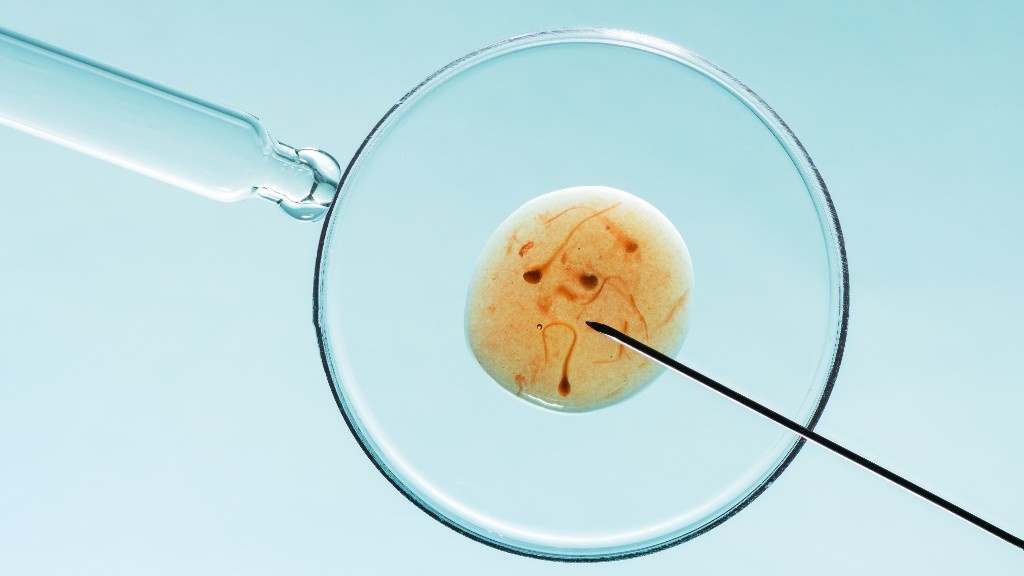
Best IVF Centre in Tambaram Chennai: Promise Fertility Center’s Complete Guide to Success Rates 2026 Home Introduction Beginning the journey toward parenthood can feel overwhelming when natural conception doesn’t happen as expected. If you’re searching for the best IVF centre in Tambaram, you’re not alone—thousands of couples in Chennai face similar challenges and seek compassionate, expert guidance to help them realize their dream of having a family. Understanding that this journey involves emotional, physical, and financial considerations, finding a fertility center that combines medical excellence with genuine care becomes essential. Promise Fertility Center in Tambaram stands as a dedicated partner for couples navigating infertility, offering advanced reproductive technologies alongside personalized support. Located conveniently on GST Road with easy accessibility from Chromepet, Pallavaram, and surrounding South Chennai areas, the center provides comprehensive fertility services designed around each patient’s unique circumstances. This guide will help you understand IVF treatment options, success factors, and what to expect when choosing a fertility clinic in Tambaram, empowering you to make informed decisions about your reproductive health. Understanding IVF Treatment and When to Consider It In Vitro Fertilization (IVF) represents one of the most effective assisted reproductive technologies available for couples experiencing difficulty conceiving naturally. This process involves retrieving eggs from the ovaries, fertilizing them with sperm in a specialized laboratory environment, and then transferring the resulting embryos into the uterus. IVF treatment in Chennai has become increasingly accessible, with fertility clinics like Promise Fertility Center offering state-of-the-art facilities and experienced medical teams. Couples typically consider IVF when facing conditions such as blocked or damaged fallopian tubes, male factor infertility with low sperm count or motility, endometriosis, ovulation disorders including PCOS, unexplained infertility, or genetic concerns requiring embryo screening. The decision to pursue IVF often comes after months or years of trying to conceive naturally or after other fertility treatments haven’t succeeded. Understanding that this step represents hope rather than failure is important—modern reproductive medicine has helped millions of families worldwide welcome healthy babies through IVF. What Makes a Fertility Clinic the Best Choice When evaluating the best IVF centre in Tambaram or anywhere in Chennai, several critical factors determine quality and appropriateness for your needs. Medical expertise tops the list, with board-certified reproductive endocrinologists and embryologists bringing specialized training to your care. The experience level of the medical team directly influences treatment planning, problem-solving during procedures, and overall success potential. Laboratory standards matter tremendously in IVF outcomes. Advanced embryology labs with controlled environments, modern incubators, and quality assurance protocols create optimal conditions for embryo development. Centers investing in technologies like time-lapse embryo monitoring, preimplantation genetic testing, and advanced sperm selection techniques demonstrate commitment to improving success rates. Beyond technical capabilities, the best fertility clinics recognize the emotional dimension of infertility treatment. Compassionate care, clear communication, counseling services, and reasonable wait times contribute significantly to the patient experience. Financial transparency regarding treatment costs, medication expenses, and available payment options helps couples plan realistically. Location convenience shouldn’t be underestimated, especially since IVF requires multiple visits for monitoring, procedures, and follow-ups. A fertility clinic in Tambaram serves South Chennai residents by reducing travel stress during an already demanding treatment period. The IVF Process: What to Expect Understanding the IVF timeline helps couples prepare mentally and practically for treatment. The process typically unfolds across several distinct phases over four to six weeks. Initial Consultation and Testing: Your journey begins with comprehensive fertility evaluation including hormone testing, ultrasound assessments, semen analysis, and review of medical history. These diagnostics help identify specific fertility challenges and inform personalized treatment protocols. Ovarian Stimulation: Daily hormone injections stimulate the ovaries to develop multiple eggs rather than the single egg typically released during natural cycles. This phase lasts approximately 10-14 days with regular monitoring through blood tests and ultrasounds to track follicle development and adjust medication dosing. Egg Retrieval: When follicles reach optimal size, a trigger injection initiates final egg maturation. The retrieval procedure occurs 36 hours later under light sedation, using ultrasound guidance to collect eggs from the ovaries. This outpatient procedure typically takes 20-30 minutes. Fertilization and Embryo Development: Retrieved eggs are immediately taken to the embryology laboratory where they’re fertilized with partner or donor sperm. In cases of severe male factor infertility, ICSI (Intracytoplasmic Sperm Injection) may be used, directly injecting a single sperm into each egg. Embryos develop in controlled incubators for 3-5 days. Embryo Transfer: Selected embryos are transferred into the uterus using a thin catheter in a simple procedure requiring no anesthesia. Many couples find this moment both hopeful and emotional as embryos are placed where they can hopefully implant and develop into pregnancy. The Two-Week Wait: Following transfer, approximately two weeks pass before pregnancy testing. This waiting period challenges patience, but it’s essential for allowing implantation to occur and pregnancy hormones to become detectable. Factors Influencing IVF Success Rates Multiple variables affect IVF success rate in Tambaram clinics and worldwide. Age represents the most significant factor, with women under 35 typically experiencing higher success rates as egg quality and quantity decline with advancing age. However, successful pregnancies occur across all reproductive age ranges with appropriate treatment protocols. Diagnosis matters considerably—some fertility conditions respond better to IVF than others. Tubal factor infertility often sees excellent outcomes, while advanced endometriosis or diminished ovarian reserve may require modified approaches or additional treatment cycles. Lifestyle factors including body weight, smoking status, alcohol consumption, and stress levels influence both natural fertility and IVF outcomes. Many fertility clinics provide pre-treatment optimization guidance to improve overall health before beginning cycles. Embryo quality and the number of embryos available for transfer impact success probability. Centers with advanced embryology labs often achieve better embryo development rates. Additionally, endometrial receptivity—the uterine lining’s readiness to accept embryos—plays a crucial role requiring careful hormonal preparation and timing. Previous IVF attempts offer valuable learning opportunities. If initial cycles don’t result in pregnancy, adjustments to medication protocols, transfer timing, or additional testing may improve subsequent outcomes. Promise Fertility Center’s Approach to Reproductive Care Promise Fertility Center in Tambaram has established itself