ICSI

ICSI

IVF Treatment for PCOS Patients in Chennai: Success Stories & Expert Tips from Promise Fertility Center

IVF Treatment for PCOS Patients in Chennai: Success Stories & Expert Tips from Promise Fertility Center Home Introduction If you’ve been diagnosed with polycystic ovary syndrome (PCOS) and are struggling to conceive, you’re facing one of the most common yet challenging fertility conditions affecting women today. PCOS affects approximately 1 in 10 women of reproductive age and represents a leading cause of infertility. The irregular ovulation, hormonal imbalances, and metabolic concerns that characterize PCOS can make natural conception difficult, leaving many women feeling frustrated and uncertain about their path to motherhood. The encouraging news is that IVF for PCOS Chennai offers has helped countless women with this condition successfully achieve pregnancy through specialized, tailored treatment approaches. At Promise Fertility Center in Tambaram, we’ve developed particular expertise in managing PCOS-related infertility, understanding that women with this condition often require modified protocols and careful monitoring to optimize outcomes while minimizing risks. This comprehensive guide will explore how IVF works specifically for PCOS patients, what success factors matter most, how treatment protocols are adjusted for this condition, and practical strategies that can improve your chances of achieving the healthy pregnancy you’ve been hoping for. Understanding PCOS and Its Impact on Fertility Polycystic ovary syndrome is a hormonal disorder characterized by irregular menstrual cycles, elevated androgen (male hormone) levels, and multiple small cysts on the ovaries. While the exact cause remains unclear, PCOS involves complex interactions between hormones, insulin resistance, and genetics. How PCOS Affects Fertility: The hormonal imbalances in PCOS disrupt normal ovulation, the monthly release of a mature egg necessary for conception. Many women with PCOS experience irregular or absent periods because eggs don’t develop and release consistently. Without regular ovulation, achieving pregnancy naturally becomes significantly more difficult. Additionally, PCOS often involves insulin resistance, which can further complicate hormonal balance and egg quality. The metabolic aspects of PCOS can affect not just conception but also pregnancy health, making specialized medical management particularly important. Why PCOS Doesn’t Mean Infertility: While PCOS creates fertility challenges, it doesn’t mean you cannot have children. With appropriate treatment—ranging from lifestyle modifications and ovulation induction medications to advanced assisted reproductive technologies like IVF—most women with PCOS can successfully conceive. The key is finding the right treatment approach for your specific situation. When IVF Becomes the Recommended Path for PCOS Not every woman with PCOS requires IVF immediately. Treatment typically follows a progressive approach: First-Line Treatments: Many women with PCOS conceive with simpler interventions such as lifestyle modifications (weight management, dietary changes, exercise), ovulation induction medications like Clomiphene Citrate or Letrozole, and timed intercourse or intrauterine insemination (IUI). When IVF Is Recommended: IVF for PCOS patients typically becomes the recommended option when: Multiple cycles of ovulation induction with timed intercourse or IUI haven’t resulted in pregnancy There are additional fertility factors beyond PCOS (male factor infertility, tubal issues, endometriosis) The patient has advanced maternal age where time efficiency matters Previous treatments have caused ovarian hyperstimulation syndrome (OHSS), requiring the more controlled environment IVF provides Multiple failed IUI attempts suggest egg quality or fertilization issues requiring laboratory assessment The decision to move to IVF is made collaboratively between you and your fertility specialist based on your complete fertility picture, age, treatment history, and personal preferences. Special IVF Considerations for PCOS Patients Women with PCOS require modified IVF protocols because their ovaries tend to be highly sensitive to fertility medications, creating both opportunities and challenges. The OHSS Risk Ovarian hyperstimulation syndrome (OHSS) represents the primary concern when stimulating PCOS ovaries. Because PCOS ovaries contain numerous antral follicles, fertility medications can cause excessive response, leading to dangerous ovarian enlargement, fluid accumulation, and potential complications. How Promise Fertility Center Minimizes OHSS Risk: Modern IVF protocols specifically designed for PCOS patients significantly reduce OHSS risk through strategies like lower medication doses, GnRH antagonist protocols that allow safer trigger shots, elective embryo freezing (freeze-all strategy) when stimulation response is too strong, and intensive monitoring throughout the cycle. Modified Stimulation Protocols Rather than standard IVF medication regimens, PCOS patients benefit from gentler, more carefully calibrated protocols. These typically involve lower starting doses of gonadotropins (FSH medications), more frequent monitoring to catch excessive response early, and specific trigger medications (like GnRH agonist instead of hCG) that substantially reduce OHSS risk. Egg Quality Considerations While PCOS ovaries produce many eggs during IVF, quality can sometimes be affected by the hormonal and metabolic environment. This is why preparation before IVF—including lifestyle modifications, insulin sensitizing medications like Metformin when appropriate, and supplements like inositol—can improve egg quality and subsequently embryo development and pregnancy rates. IVF Success Rates for PCOS Patients Many women with PCOS are pleasantly surprised to learn that, with appropriate protocol modifications, their IVF success rates can actually be quite favorable compared to some other infertility diagnoses. Positive Factors for PCOS Patients: Women with PCOS typically have good ovarian reserve, meaning plenty of eggs are available for retrieval. Younger PCOS patients (under 35) often achieve pregnancy rates comparable to or sometimes better than the general IVF population when proper protocols are used. The key is retrieving a good number of quality eggs while avoiding complications. Realistic Expectations: Success rates vary based on age, overall health, previous treatment responses, and whether additional fertility factors exist. Generally, PCOS patients under 35 using modified protocols might expect pregnancy rates of 40-50% per embryo transfer when using fresh or frozen embryos, though individual results vary significantly. Multiple factors influence outcomes including BMI, insulin resistance management, egg and embryo quality, and endometrial receptivity. Your fertility specialist can provide personalized success rate estimates based on your specific situation. Optimizing IVF Success: What PCOS Patients Can Do Beyond medical protocols, several lifestyle and preparation strategies can significantly improve IVF outcomes for PCOS patients: Weight Management If you’re overweight, even modest weight loss (5-10% of body weight) before IVF can improve hormonal balance, insulin sensitivity, medication response, and pregnancy rates. This doesn’t mean you need to achieve “ideal” weight, but movement toward a healthier BMI positively impacts outcomes. Nutrition and Supplements Dietary Approaches: A low

ICSI

Egg Freezing in Chennai: Complete Guide to Fertility Preservation at Promise Fertility Center

Egg Freezing in Chennai: Complete Guide to Fertility Preservation at Promise Fertility Center Home Introduction Whether you’re focused on your career, haven’t found the right partner yet, facing a medical condition that may affect your fertility, or simply want to keep your reproductive options open for the future, egg freezing Chennai offers can provide valuable peace of mind. Also known as oocyte cryopreservation, egg freezing has evolved from an experimental procedure to a well-established fertility preservation option that empowers women to take control of their reproductive timeline. The decision to freeze your eggs is deeply personal, often involving considerations about career goals, relationship status, health concerns, and family planning aspirations. At Promise Fertility Center in Tambaram, we understand that fertility preservation represents more than just a medical procedure—it’s an investment in your future possibilities and autonomy. This comprehensive guide will walk you through everything you need to know about the egg freezing process, who should consider it, what realistic outcomes look like, and how our specialized approach in Chennai supports women through this important decision. Understanding Egg Freezing: Preserving Future Fertility Egg freezing is a medical process where a woman’s eggs (oocytes) are extracted, frozen, and stored for future use. Unlike embryo freezing, which requires fertilization with sperm before freezing, egg freezing allows women to preserve unfertilized eggs that can be thawed, fertilized, and transferred years later when they’re ready to pursue pregnancy. The procedure has become increasingly popular as advances in vitrification (flash-freezing) technology have dramatically improved egg survival rates after thawing. Modern egg freezing techniques can preserve eggs for many years without significant quality degradation, giving women genuine flexibility in their family planning timeline. For women in Chennai considering fertility preservation, understanding the science, process, and realistic expectations around egg freezing helps inform this significant decision. Who Should Consider Egg Freezing? Medical Reasons for Fertility Preservation Cancer Treatment: Women diagnosed with cancer who will undergo chemotherapy or radiation therapy that may damage ovarian function often choose to freeze eggs before treatment begins. This proactive step preserves fertility options before potentially gonadotoxic treatments. Endometriosis or Ovarian Conditions: Women with advancing endometriosis, ovarian cysts, or other conditions that may progressively affect egg quality or quantity can benefit from freezing eggs while they’re still healthy. Premature Ovarian Insufficiency Risk: Those with family history of early menopause or genetic conditions affecting ovarian reserve may choose to preserve eggs earlier than typical. Gender-Affirming Care: Individuals undergoing gender transition treatments that will affect fertility can preserve eggs before beginning hormone therapy. Elective (Social) Egg Freezing Career and Education Goals: Professional women pursuing advanced degrees or establishing careers may choose egg freezing to extend their fertile years without compromising career development during peak fertility years. Relationship Status: Women who haven’t found the right partner but know they want biological children eventually can preserve younger, healthier eggs while waiting for the right relationship timing. Personal Readiness: Some women simply aren’t emotionally, financially, or practically ready for parenthood but want to keep the biological option open for when circumstances align. Age-Related Fertility Decline: Women in their late 20s to late 30s aware of age-related fertility decline may proactively freeze eggs while quality remains optimal. The Egg Freezing Process: What to Expect Understanding each phase of fertility preservation Chennai clinics offer can reduce anxiety about the unknown: Initial Consultation and Testing Your journey begins with comprehensive fertility evaluation including: Detailed medical and reproductive history review Physical examination and transvaginal ultrasound Blood tests measuring hormone levels (AMH, FSH, estradiol) Antral follicle count to assess ovarian reserve Discussion of goals, timeline, and realistic expectations These assessments help determine your current fertility status and predict how many eggs might be retrieved per cycle. Ovarian Stimulation Phase For approximately 10-14 days, you’ll self-administer hormone injections that stimulate your ovaries to develop multiple eggs in a single cycle (whereas naturally, only one typically matures monthly). This medication phase requires: Daily hormone injections (your care team will provide thorough training) Regular monitoring appointments every 2-3 days for ultrasounds and bloodwork Adjustments to medication dosages based on your response Careful timing of the final “trigger shot” that matures eggs before retrieval Most women continue normal daily activities during stimulation, though you may experience bloating, breast tenderness, or mood fluctuations as your body responds to hormones. Egg Retrieval Procedure When ultrasound monitoring shows your eggs are mature (typically after 10-14 days of stimulation), the retrieval procedure is scheduled: The procedure takes approximately 20-30 minutes under light sedation Using ultrasound guidance, a thin needle passes through the vaginal wall to access ovaries Fluid containing eggs is gently aspirated from each follicle You’ll rest in recovery for 1-2 hours before going home the same day Most women return to normal activities within 1-2 days, though you should avoid strenuous exercise for about a week The number of eggs retrieved varies significantly based on age, ovarian reserve, and individual response to medications—typically ranging from 8-20 eggs per cycle, though this varies considerably. Vitrification and Storage Immediately after retrieval, embryologists assess egg maturity. Only mature eggs are frozen using vitrification, an ultra-rapid freezing technique that prevents ice crystal formation that could damage the egg structure. Your frozen eggs are then stored in secure cryogenic tanks filled with liquid nitrogen at -196°C, where they can remain preserved indefinitely without quality deterioration. Success Rates and Realistic Expectations Understanding realistic outcomes helps set appropriate expectations for this investment: Egg Survival After Thawing: With modern vitrification, approximately 85-95% of frozen eggs survive the thawing process, though survival rates can vary. Fertilization and Development: Not every thawed egg will successfully fertilize or develop into a viable embryo. Typically, about 70-80% of thawed eggs fertilize successfully, and roughly 30-50% of resulting embryos reach the blastocyst stage suitable for transfer. Age at Freezing Matters Most: The age at which you freeze eggs dramatically impacts future success. Eggs frozen in your late 20s or early 30s maintain better quality than those frozen in your late 30s or early 40s, regardless of when you eventually use them. Number

ICSI

Male Infertility Treatment in Tambaram: Understanding ICSI & Success Factors

Male Infertility Treatment in Tambaram: Understanding ICSI & Success Factors Home Introduction Facing male infertility can feel overwhelming for couples hoping to build their family. If you’ve received a diagnosis indicating low sperm count, poor sperm motility, or other male factor fertility challenges, you’re not alone—male infertility contributes to approximately 40-50% of all infertility cases. The good news is that advanced reproductive technologies like ICSI treatment Chennai offers can help overcome even severe male fertility issues. Intracytoplasmic sperm injection (ICSI) represents one of the most significant breakthroughs in assisted reproductive technology, allowing couples who might have had no other options to achieve pregnancy. At Promise Fertility Center in Tambaram, our specialized approach to ICSI has helped numerous couples navigate male infertility challenges with personalized care and advanced laboratory capabilities. This article will guide you through understanding when ICSI becomes necessary, how the procedure works, and what you can realistically expect from this transformative treatment option. Understanding ICSI: A Breakthrough for Male Infertility ICSI, or intracytoplasmic sperm injection, is a specialized laboratory technique used alongside IVF where a single healthy sperm is directly injected into a mature egg. Unlike conventional IVF, where thousands of sperm are placed near an egg in hopes of natural fertilization, ICSI bypasses many barriers that prevent sperm from penetrating the egg on their own. This targeted approach makes ICSI particularly effective for male factor infertility, where sperm quality or quantity issues would otherwise prevent successful fertilization. The technique requires advanced micromanipulation equipment and highly skilled embryologists who can select and inject individual sperm cells with precision. For couples in Chennai dealing with male infertility, understanding when ICSI becomes medically necessary versus optional can help inform treatment decisions and set appropriate expectations. When Is ICSI Treatment Necessary? Severe Male Factor Infertility Conditions ICSI becomes a medical necessity rather than an option in several specific male infertility scenarios: Low Sperm Count (Oligospermia): When semen analysis reveals fewer than 15 million sperm per milliliter, conventional IVF success rates drop significantly. ICSI requires only a small number of viable sperm, making pregnancy possible even with very low counts. Poor Sperm Motility (Asthenospermia): If sperm cannot swim effectively to reach and penetrate an egg naturally, ICSI eliminates this obstacle by placing the sperm directly inside the egg. Abnormal Sperm Morphology (Teratospermia): When most sperm have irregular shapes affecting their ability to fertilize eggs, skilled embryologists can identify and select the healthiest-looking sperm for ICSI. Complete Fertilization Failure: Couples who have undergone conventional IVF without achieving fertilization are typically recommended ICSI in subsequent cycles. Surgical Sperm Retrieval Cases ICSI becomes essential when sperm must be surgically retrieved from the testicles or epididymis due to: Obstructive azoospermia (blockages preventing sperm release) Ejaculatory dysfunction Previous vasectomy Congenital absence of vas deferens These surgically retrieved sperm cannot fertilize eggs naturally and require ICSI for successful conception. Additional Medical Indications ICSI may also be recommended for: High levels of anti-sperm antibodies that prevent natural fertilization Previous failed fertilization attempts with conventional IVF Using frozen sperm with limited quantity or quality Genetic testing requirements (PGT) where precise embryo handling is necessary The ICSI Procedure: What to Expect Understanding the ICSI process can help reduce anxiety about the unknown. The treatment follows these key stages: Ovarian Stimulation and Monitoring: Similar to standard IVF, the female partner receives hormone medications to stimulate multiple egg development. Regular ultrasounds and blood tests monitor follicle growth over approximately 10-14 days. Egg Retrieval: Mature eggs are collected through a minor surgical procedure performed under sedation, typically taking 20-30 minutes. Sperm Collection and Preparation: On the same day as egg retrieval, sperm is collected (or retrieved surgically if needed). Embryologists carefully prepare and select the healthiest sperm for injection. The ICSI Procedure: Using specialized micromanipulation equipment, an embryologist selects a single healthy sperm, immobilizes it, and injects it directly into the center of each mature egg. This delicate procedure requires exceptional skill and advanced laboratory technology. Embryo Culture: Fertilized eggs are monitored over 3-5 days as they develop into embryos in carefully controlled laboratory conditions. Embryo Transfer: One or two quality embryos are transferred to the uterus, with any remaining viable embryos frozen for future use. Success Factors and Realistic Expectations ICSI fertilization rates typically range from 70-80% of mature eggs injected, which is considerably higher than conventional IVF in male factor cases. However, fertilization is just one step—embryo quality, maternal age, uterine receptivity, and overall health significantly influence ultimate pregnancy success. Age remains the most critical factor: Women under 35 generally have higher success rates, while rates gradually decline with advancing maternal age regardless of fertilization method. Sperm DNA quality matters: While ICSI can work with very few sperm, the genetic quality of that sperm still influences embryo development and pregnancy outcomes. Lifestyle factors play a role: Both partners’ overall health, including nutrition, weight, stress management, and avoidance of tobacco and excessive alcohol, can impact treatment success. It’s important to understand that ICSI addresses the fertilization challenge but doesn’t guarantee pregnancy. Multiple factors beyond fertilization influence whether a healthy pregnancy results. Male Infertility Treatment Chennai: Beyond ICSI While ICSI is often the solution for severe male infertility, Promise Fertility Center takes a comprehensive approach that may include: Detailed semen analysis and hormonal evaluations Genetic testing when indicated Treatment of underlying conditions (varicocele repair, hormonal corrections) Lifestyle and nutritional counseling to optimize sperm health Surgical sperm retrieval techniques (TESA, PESA, micro-TESE) Counseling support for the emotional aspects of infertility Some cases of male infertility may improve with medical or surgical interventions before requiring ICSI, which is why thorough evaluation is essential. Promise Fertility Center’s ICSI Expertise in Tambaram At Promise Fertility Center, our approach to ICSI treatment combines advanced reproductive technology with personalized, compassionate care. Our state-of-the-art laboratory facilities in Tambaram feature the latest micromanipulation equipment operated by experienced embryologists who have performed thousands of ICSI procedures. What distinguishes our center’s ICSI program: Expert Embryology Team: Our senior embryologists bring extensive training in advanced fertilization techniques, ensuring the highest technical precision during the

Icsi Treatment In Chennai When Is It Necessary For Male Infertility At Promise Fertility Center
ICSI

ICSI Treatment In Chennai: When Is It Necessary For Male Infertility At Promise Fertility Center?

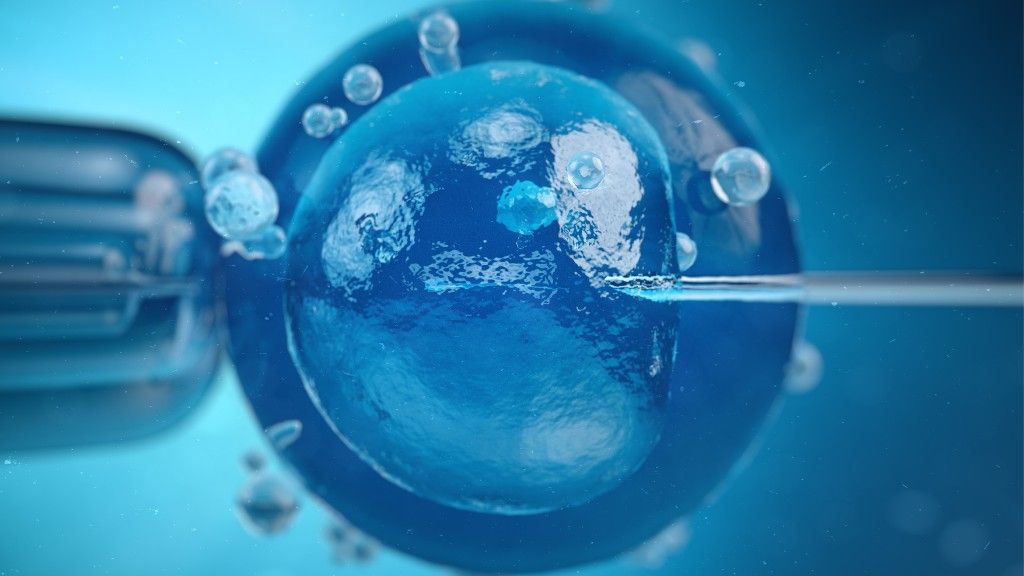
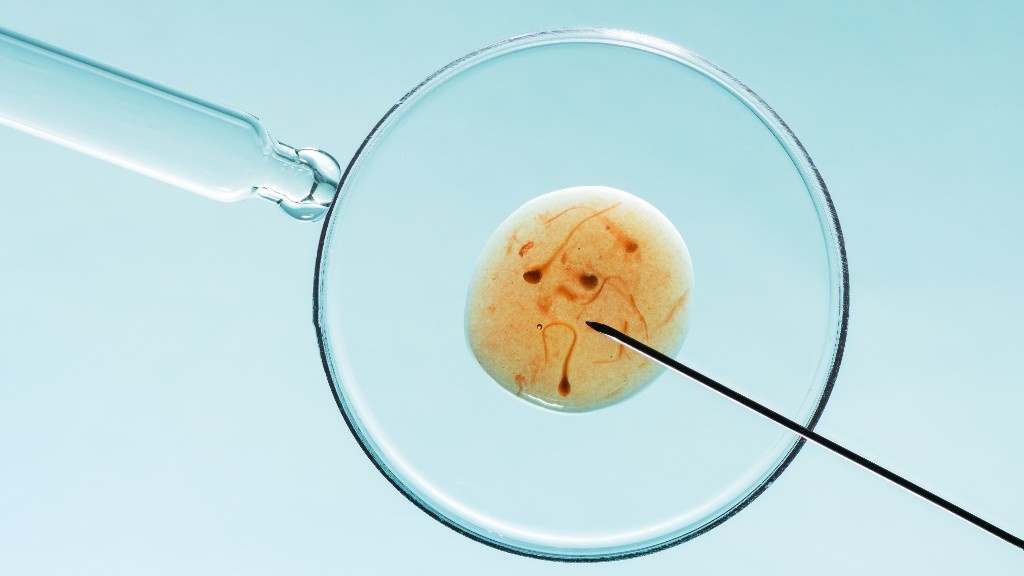
ICSI Treatment In Chennai When Is It Necessary For Male Infertility At Promise Fertility Center Home Introduction Male factor infertility accounts for approximately 40-50% of all infertility cases, yet it often remains less discussed than female fertility challenges. If you’ve been told that sperm-related issues are affecting your ability to conceive, you’re likely exploring treatment options that can help overcome these obstacles. ICSI treatment in Chennai offers a powerful solution for couples facing male infertility, providing hope where conventional fertilization methods may not succeed. Intracytoplasmic Sperm Injection (ICSI) represents one of the most significant advances in assisted reproduction over the past three decades. This specialized technique allows fertility specialists to bypass many male factor issues by directly injecting a single sperm into each egg, dramatically improving fertilization chances for couples who might otherwise face very limited options. Understanding when ICSI is necessary, how the procedure works, and what success rates you can realistically expect helps you make informed decisions about your fertility treatment. At Promise Fertility Center in Tambaram, we provide comprehensive ICSI services with advanced laboratory technology and compassionate support for couples navigating male infertility challenges. Understanding ICSI: What Is Intracytoplasmic Sperm Injection? ICSI is an advanced fertilization technique used during IVF treatment where a single sperm is carefully selected and directly injected into the center (cytoplasm) of a mature egg using sophisticated micromanipulation equipment. This differs from conventional IVF, where thousands of sperm are placed around each egg and fertilization occurs naturally in the laboratory dish. The ICSI procedure was originally developed in the early 1990s to help couples with severe male factor infertility achieve biological parenthood. Since then, it has become one of the most commonly performed procedures in fertility clinics worldwide, with millions of babies born through this technique. The procedure requires highly skilled embryologists working with specialized equipment including micromanipulators, high-powered microscopes, and precision instruments that allow them to handle individual sperm and eggs at a microscopic level. When Is ICSI Treatment Necessary? Not all couples undergoing IVF require ICSI. Your fertility specialist will recommend this male infertility treatment in Chennai based on specific diagnostic findings and circumstances. Severe Male Factor Infertility ICSI becomes essential when semen analysis reveals significant issues including: Low Sperm Count (Oligospermia): When sperm concentration falls below 15 million per milliliter, particularly if severely reduced, conventional IVF fertilization rates decline significantly. ICSI overcomes this by requiring only one viable sperm per egg. Poor Sperm Motility (Asthenozoospermia): If most sperm show limited or no forward movement, they cannot reach and penetrate eggs naturally. ICSI eliminates the need for sperm to swim and penetrate the egg on their own. Abnormal Sperm Morphology (Teratozoospermia): When the majority of sperm have abnormal shapes affecting their ability to fertilize eggs, ICSI allows embryologists to select the best-looking sperm available for injection. Combined Factors: Many men experience multiple parameters outside normal ranges. ICSI provides the best chance of fertilization when several sperm quality issues exist simultaneously. Obstructive Azoospermia Some men produce sperm normally but have blockages preventing sperm from reaching the ejaculate. This may result from previous infections, vasectomy, congenital absence of the vas deferens, or other anatomical issues. For these patients, surgical sperm retrieval procedures like TESA (Testicular Sperm Aspiration), PESA (Percutaneous Epididymal Sperm Aspiration), or micro-TESE (microsurgical testicular sperm extraction) can obtain sperm directly from the testicles or epididymis. These retrieved sperm must be used with ICSI since they haven’t undergone the natural maturation process that occurs during passage through the reproductive tract. Non-Obstructive Azoospermia In cases where sperm production itself is impaired, surgical extraction may still find small pockets of sperm production within the testes. When only very limited numbers of sperm can be retrieved, ICSI maximizes the use of these precious few sperm. Previous Fertilization Failure If a previous IVF cycle with conventional insemination resulted in complete fertilization failure or unexpectedly low fertilization rates, ICSI is typically recommended for subsequent cycles to ensure fertilization occurs. Immunological Infertility Some men produce antibodies that attach to their own sperm, interfering with natural fertilization. ICSI bypasses this immunological barrier by directly placing sperm inside the egg. Using Frozen Sperm Sperm that has been cryopreserved for fertility preservation or when fresh sperm collection isn’t possible may have reduced motility after thawing. ICSI ensures successful fertilization regardless of post-thaw sperm quality. Preimplantation Genetic Testing When couples plan to perform genetic testing on embryos, ICSI is preferred because it prevents contamination from excess sperm that could interfere with genetic test accuracy. The ICSI Procedure: Step by Step Understanding the ICSI process helps demystify this sophisticated treatment. At Promise Fertility Center in Tambaram, we guide you through each phase with transparency and support. Ovarian Stimulation and Monitoring The female partner undergoes the same ovarian stimulation protocol used in standard IVF. Hormone medications stimulate the ovaries to produce multiple mature eggs, with regular monitoring through ultrasound and blood tests to track follicle development. This phase typically lasts 8-14 days, culminating in a trigger injection that finalizes egg maturation before retrieval. Egg Retrieval A minor surgical procedure retrieves mature eggs from the ovaries. Performed under sedation, this typically takes 20-30 minutes. The number of eggs retrieved varies based on age and ovarian response, with most cycles yielding 8-15 eggs. Semen Collection and Preparation On the same day as egg retrieval, the male partner provides a semen sample through ejaculation or undergoes surgical sperm retrieval if necessary. The laboratory processes the sample to identify and isolate the healthiest, most motile sperm available. For ICSI, embryologists need only one viable sperm per mature egg, but they prepare multiple candidates to ensure the best selections. The ICSI Fertilization Process This is where the specialized ICSI technique occurs: Egg Preparation: Eggs are stripped of surrounding cumulus cells so embryologists can clearly see the egg and identify the best injection site. Sperm Selection: Using high-powered microscopy, the embryologist selects individual sperm showing the best morphology and any signs of motility. Microinjection: Each mature egg is held in place with a specialized holding pipette while a very

Scroll to Top