
Male Infertility Treatment in Tambaram: Understanding ICSI & Success Factors
- ICSI
- December 26, 2025
Introduction
Facing male infertility can feel overwhelming for couples hoping to build their family. If you’ve received a diagnosis indicating low sperm count, poor sperm motility, or other male factor fertility challenges, you’re not alone—male infertility contributes to approximately 40-50% of all infertility cases. The good news is that advanced reproductive technologies like ICSI treatment Chennai offers can help overcome even severe male fertility issues. Intracytoplasmic sperm injection (ICSI) represents one of the most significant breakthroughs in assisted reproductive technology, allowing couples who might have had no other options to achieve pregnancy. At Promise Fertility Center in Tambaram, our specialized approach to ICSI has helped numerous couples navigate male infertility challenges with personalized care and advanced laboratory capabilities. This article will guide you through understanding when ICSI becomes necessary, how the procedure works, and what you can realistically expect from this transformative treatment option.
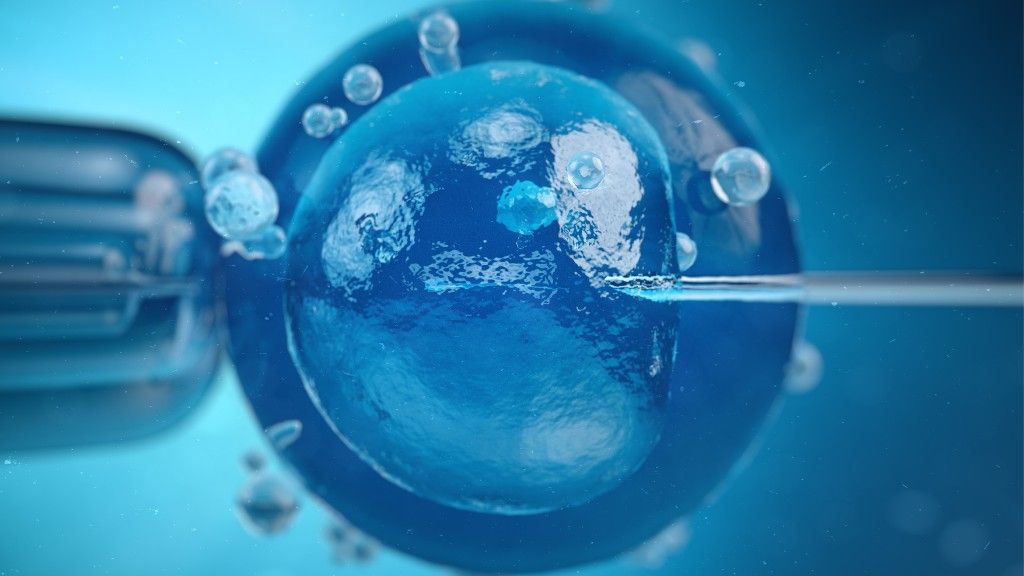
ICSI, or intracytoplasmic sperm injection, is a specialized laboratory technique used alongside IVF where a single healthy sperm is directly injected into a mature egg. Unlike conventional IVF, where thousands of sperm are placed near an egg in hopes of natural fertilization, ICSI bypasses many barriers that prevent sperm from penetrating the egg on their own.
This targeted approach makes ICSI particularly effective for male factor infertility, where sperm quality or quantity issues would otherwise prevent successful fertilization. The technique requires advanced micromanipulation equipment and highly skilled embryologists who can select and inject individual sperm cells with precision.
For couples in Chennai dealing with male infertility, understanding when ICSI becomes medically necessary versus optional can help inform treatment decisions and set appropriate expectations.
When Is ICSI Treatment Necessary?
Severe Male Factor Infertility Conditions
ICSI becomes a medical necessity rather than an option in several specific male infertility scenarios:
Low Sperm Count (Oligospermia): When semen analysis reveals fewer than 15 million sperm per milliliter, conventional IVF success rates drop significantly. ICSI requires only a small number of viable sperm, making pregnancy possible even with very low counts.
Poor Sperm Motility (Asthenospermia): If sperm cannot swim effectively to reach and penetrate an egg naturally, ICSI eliminates this obstacle by placing the sperm directly inside the egg.
Abnormal Sperm Morphology (Teratospermia): When most sperm have irregular shapes affecting their ability to fertilize eggs, skilled embryologists can identify and select the healthiest-looking sperm for ICSI.
Complete Fertilization Failure: Couples who have undergone conventional IVF without achieving fertilization are typically recommended ICSI in subsequent cycles.
Surgical Sperm Retrieval Cases
ICSI becomes essential when sperm must be surgically retrieved from the testicles or epididymis due to:
- Obstructive azoospermia (blockages preventing sperm release)
- Ejaculatory dysfunction
- Previous vasectomy
- Congenital absence of vas deferens
These surgically retrieved sperm cannot fertilize eggs naturally and require ICSI for successful conception.
Additional Medical Indications
ICSI may also be recommended for:
- High levels of anti-sperm antibodies that prevent natural fertilization
- Previous failed fertilization attempts with conventional IVF
- Using frozen sperm with limited quantity or quality
- Genetic testing requirements (PGT) where precise embryo handling is necessary
The ICSI Procedure: What to Expect
Understanding the ICSI process can help reduce anxiety about the unknown. The treatment follows these key stages:
Ovarian Stimulation and Monitoring: Similar to standard IVF, the female partner receives hormone medications to stimulate multiple egg development. Regular ultrasounds and blood tests monitor follicle growth over approximately 10-14 days.
Egg Retrieval: Mature eggs are collected through a minor surgical procedure performed under sedation, typically taking 20-30 minutes.
Sperm Collection and Preparation: On the same day as egg retrieval, sperm is collected (or retrieved surgically if needed). Embryologists carefully prepare and select the healthiest sperm for injection.
The ICSI Procedure: Using specialized micromanipulation equipment, an embryologist selects a single healthy sperm, immobilizes it, and injects it directly into the center of each mature egg. This delicate procedure requires exceptional skill and advanced laboratory technology.
Embryo Culture: Fertilized eggs are monitored over 3-5 days as they develop into embryos in carefully controlled laboratory conditions.
Embryo Transfer: One or two quality embryos are transferred to the uterus, with any remaining viable embryos frozen for future use.
Success Factors and Realistic Expectations
ICSI fertilization rates typically range from 70-80% of mature eggs injected, which is considerably higher than conventional IVF in male factor cases. However, fertilization is just one step—embryo quality, maternal age, uterine receptivity, and overall health significantly influence ultimate pregnancy success.
Age remains the most critical factor: Women under 35 generally have higher success rates, while rates gradually decline with advancing maternal age regardless of fertilization method.
Sperm DNA quality matters: While ICSI can work with very few sperm, the genetic quality of that sperm still influences embryo development and pregnancy outcomes.
Lifestyle factors play a role: Both partners’ overall health, including nutrition, weight, stress management, and avoidance of tobacco and excessive alcohol, can impact treatment success.
It’s important to understand that ICSI addresses the fertilization challenge but doesn’t guarantee pregnancy. Multiple factors beyond fertilization influence whether a healthy pregnancy results.
Male Infertility Treatment Chennai: Beyond ICSI
While ICSI is often the solution for severe male infertility, Promise Fertility Center takes a comprehensive approach that may include:
- Detailed semen analysis and hormonal evaluations
- Genetic testing when indicated
- Treatment of underlying conditions (varicocele repair, hormonal corrections)
- Lifestyle and nutritional counseling to optimize sperm health
- Surgical sperm retrieval techniques (TESA, PESA, micro-TESE)
- Counseling support for the emotional aspects of infertility
Some cases of male infertility may improve with medical or surgical interventions before requiring ICSI, which is why thorough evaluation is essential.
Promise Fertility Center's ICSI Expertise in Tambaram
At Promise Fertility Center, our approach to ICSI treatment combines advanced reproductive technology with personalized, compassionate care. Our state-of-the-art laboratory facilities in Tambaram feature the latest micromanipulation equipment operated by experienced embryologists who have performed thousands of ICSI procedures.
What distinguishes our center’s ICSI program:
Expert Embryology Team: Our senior embryologists bring extensive training in advanced fertilization techniques, ensuring the highest technical precision during the delicate ICSI procedure.
Advanced Laboratory Standards: Our ISO-certified embryology laboratory maintains optimal conditions for egg and embryo handling, with strict quality control protocols that maximize success potential.
Individualized Treatment Plans: We recognize that every couple’s situation is unique. Your fertility specialist will conduct comprehensive evaluations to determine whether ICSI is truly necessary and develop a treatment protocol tailored to your specific diagnosis.
Integrated Male Fertility Services: Our clinic offers complete diagnostic and treatment services for male infertility, including in-house semen analysis, hormonal testing, and coordination with urologists for surgical sperm retrieval when needed.
Transparent Communication: We provide realistic success rate discussions based on your specific circumstances, age, and diagnosis—never making promises we cannot ethically keep.
Emotional Support Services: Understanding the stress that infertility creates, we provide counseling support throughout your treatment journey, helping both partners navigate the emotional challenges.
Convenient Tambaram Location: Easily accessible from GST Road, Chromepet, Pallavaram, Velachery, and throughout South Chennai, our center offers modern facilities with patient comfort prioritized.
Preparing for ICSI Treatment
If ICSI has been recommended for your situation, several preparatory steps can optimize your treatment outcome:
For Male Partners:
- Maintain a healthy lifestyle with balanced nutrition and regular exercise
- Avoid hot tubs, saunas, and tight clothing that may affect sperm production
- Limit alcohol consumption and avoid tobacco products
- Discuss any medications or supplements with your fertility specialist
- Reduce stress through relaxation techniques or counseling support
For Female Partners:
- Begin taking prescribed prenatal vitamins with folic acid
- Maintain healthy body weight
- Manage any chronic health conditions
- Prepare mentally and emotionally for the treatment process
- Arrange support system for clinic visits and recovery time
For Both Partners:
- Ask questions and understand the complete treatment process
- Review financial planning and insurance coverage options
- Schedule time off work for key treatment appointments
- Connect with support groups or counseling if helpful
When to Seek ICSI Consultation
Consider scheduling a fertility evaluation if you’ve been trying to conceive for:
- 12 months without success (if female partner is under 35)
- 6 months without success (if female partner is 35 or older)
- Any time you have known male fertility issues or risk factors
Early consultation allows for proper diagnosis and timely intervention, which can improve overall treatment outcomes.
For your first appointment at Promise Fertility Center, bring:
- Any previous fertility testing or semen analysis results
- Medical history records for both partners
- List of current medications
- Insurance information
- Questions or concerns you’d like addressed
Conclusion: Hope Through Advanced Fertility Care
Male infertility no longer means the end of your family-building dreams. ICSI treatment Chennai provides at specialized centers like Promise Fertility Center has opened possibilities for thousands of couples facing even severe male factor infertility. While the journey may feel challenging, understanding when ICSI is truly necessary and what realistic expectations look like can help you move forward with confidence.
At Promise Fertility Center in Tambaram, we combine technical excellence with genuine compassion, supporting you through every step of your fertility journey. Our experienced team is committed to providing transparent, evidence-based care that respects both the medical and emotional aspects of infertility treatment.
If male infertility has been affecting your ability to conceive, we encourage you to schedule a confidential consultation to discuss whether ICSI or other fertility treatments might be right for your situation. Every couple’s path is different, and we’re here to help you explore your options with realistic hope and personalized medical guidance.
Contact Promise Fertility Center today to begin your conversation about ICSI and male infertility treatment options. Your journey toward parenthood deserves expert care, advanced technology, and compassionate support—all of which await you in Tambaram, Chennai.
Medical Disclaimer: This article provides general information about ICSI treatment and male infertility. Individual circumstances vary significantly, and this content should not replace personalized medical advice from qualified fertility specialists. Treatment outcomes depend on numerous factors and cannot be guaranteed. Please consult with fertility experts at Promise Fertility Center for evaluation and recommendations specific to your situation.